





Frequently asked questions?
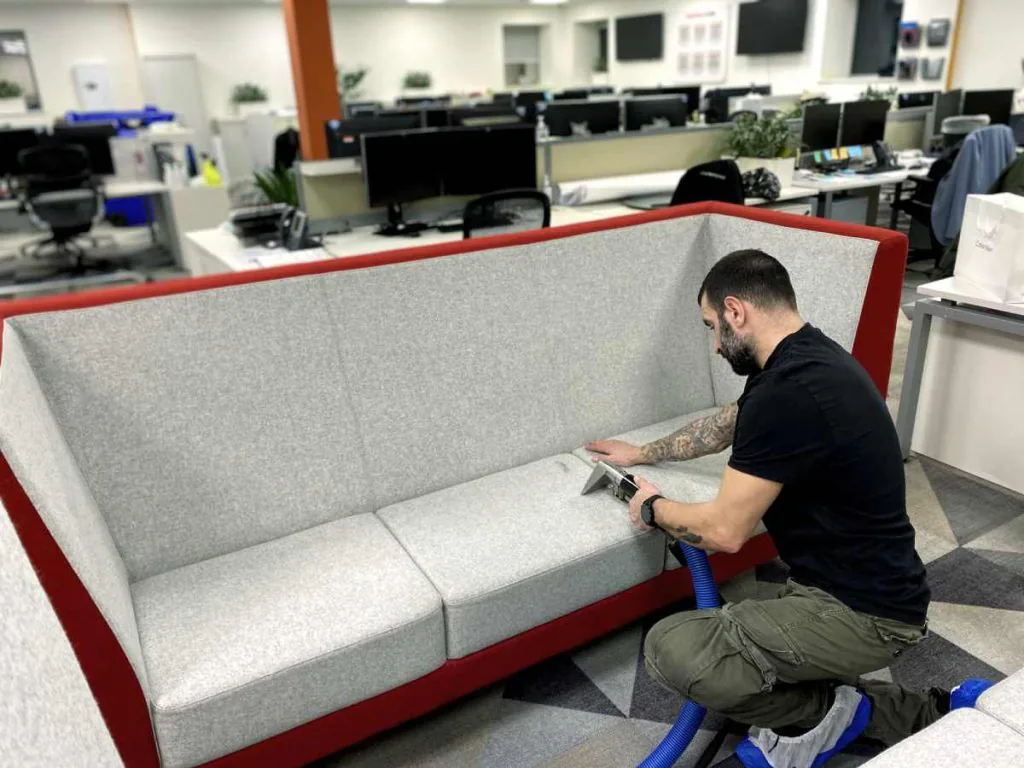
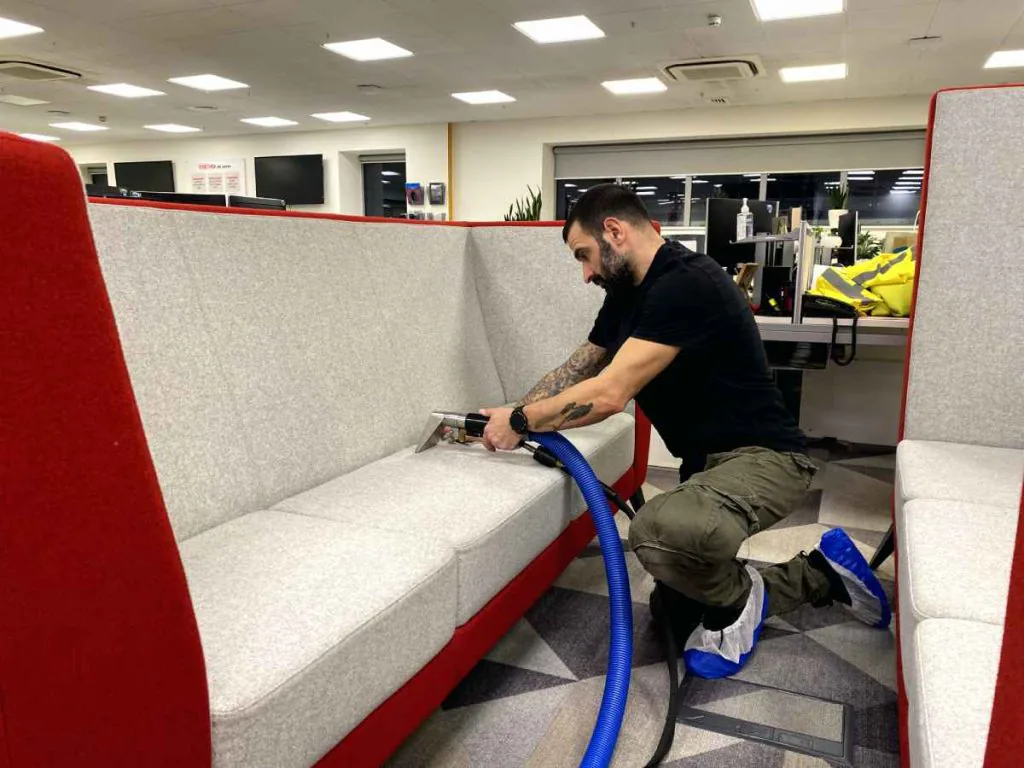
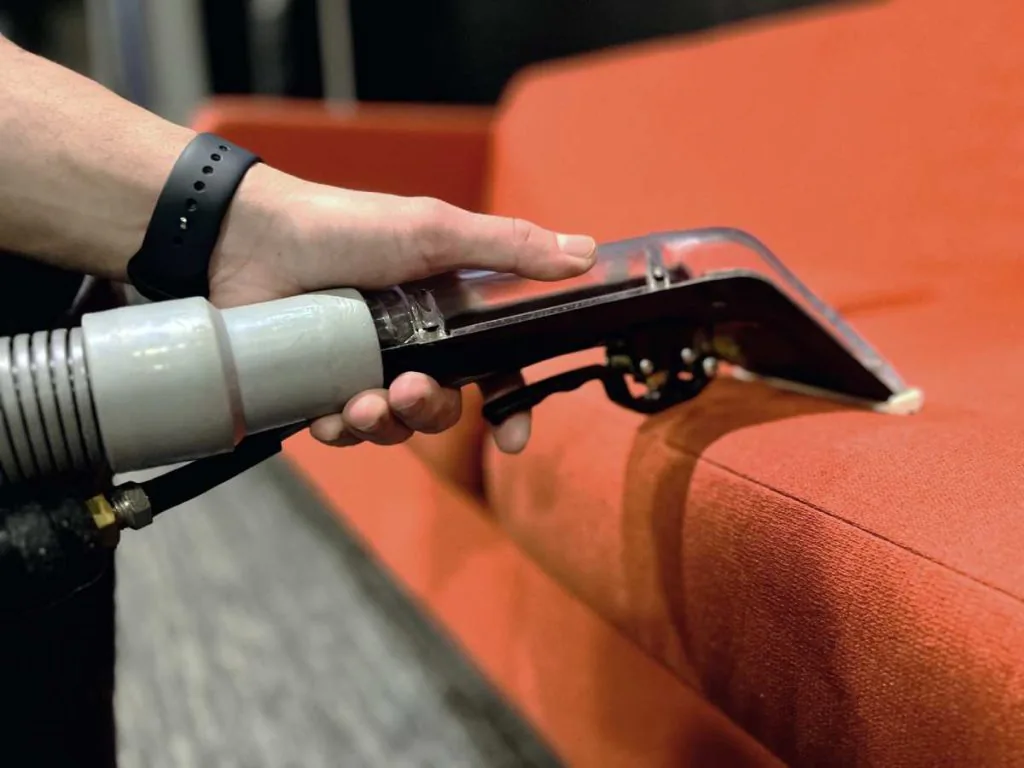
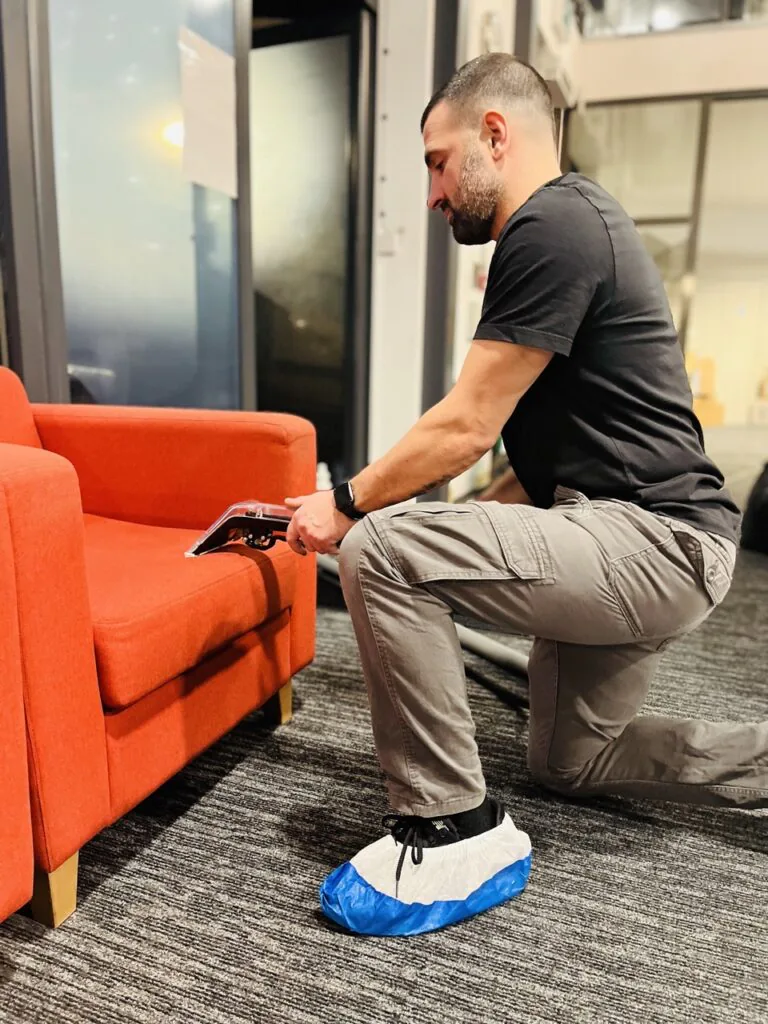
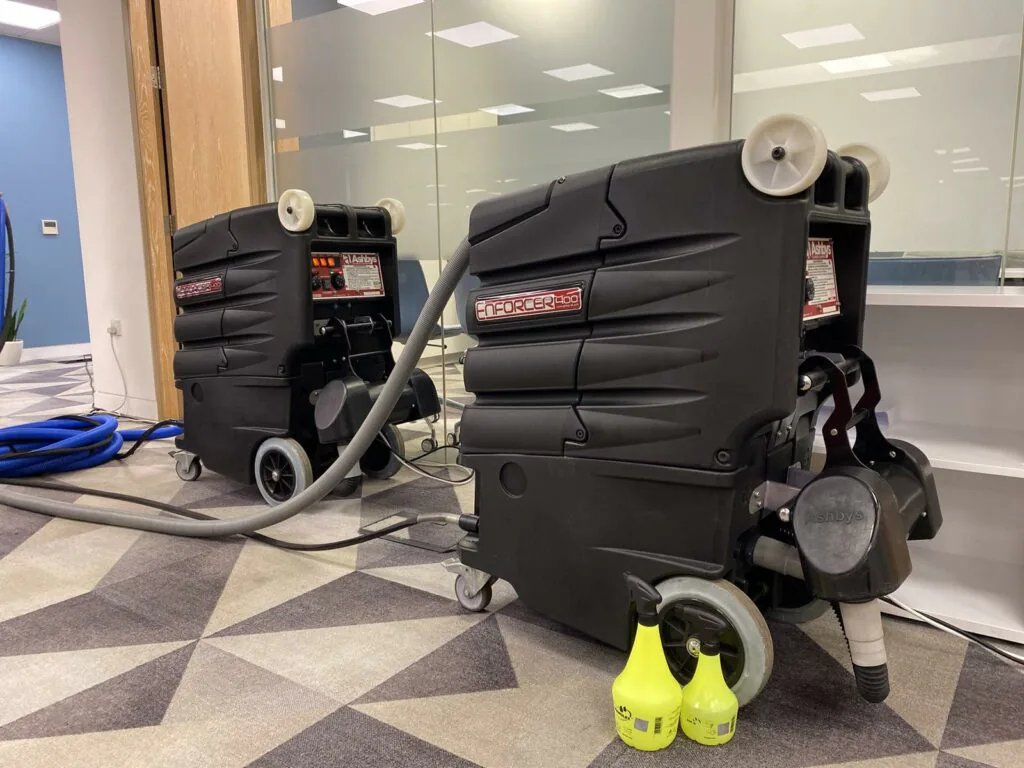
Foam and Solvent are two different types of products, they are used when the type of fabric allows it. Both the foam and solvent should be left for a few minutes in order for them to take effect. Foam is removed from the furnishing with a special vacuum cleaner, while solvent technicians use specific distinct cleaning brushes to rub it.
Leather upholstery cleaning includes:
- Тhorough inspection of the item in order to determine its condition and how best to clean the upholstery you have in mind.
- Then the technician will move on to the test step. He will put a little non-visible patch of the leather (for example under the sitting cushion) to see exactly how the product works on the leather.
- The technician will then apply a foam leather cleaner all over the fabric. It will effectively absorb filthiness in minutes.
- Then the cleaning specialist will remove the foam mixture from the leather
- He/She will use a mop at the final stage
- When the Upholstery is perfectly clean the technician will apply rejuvenation products to keep the leather healthy and cleaner for longer.
If you want to maintain a healthy home, your furniture should be professionally cleaned once or twice a year. If you have children or pets, it is best to clean your furnishing even more often. Babies that are on the verge of starting to walk can try to go anywhere and use their hands for everything, so it is a good tip to keep your house as clean as possible during this time.
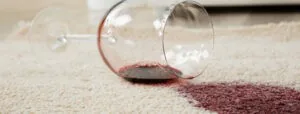
We remove stains from any type of fabric. The products we used have proven their top-quality. We have 25 years of experience in the industry. If we recommend using a product for your upholstery, there is probably no better detergent in the market. However, we can’t guarantee that every stain can be removed before one of our specialists sees it. Not to worry, the technicians at Clean Expert will never disappoint and will always give you proper advice on the case.
Here are most of the synthetic and natural fabrics out there:
COMMON SYNTHETIC FIBRES: Nylon, Acrylic, Polyester, Polypropylene, Rayon. COMMON NATURAL FIBRES: Wool, Sisal, Jute, Cotton, Coir, Velvet, Bamboo.
Check the label of your property if you are not sure what type of fabric you own.
2 Highbury Square, London, United Kingdom N145AE