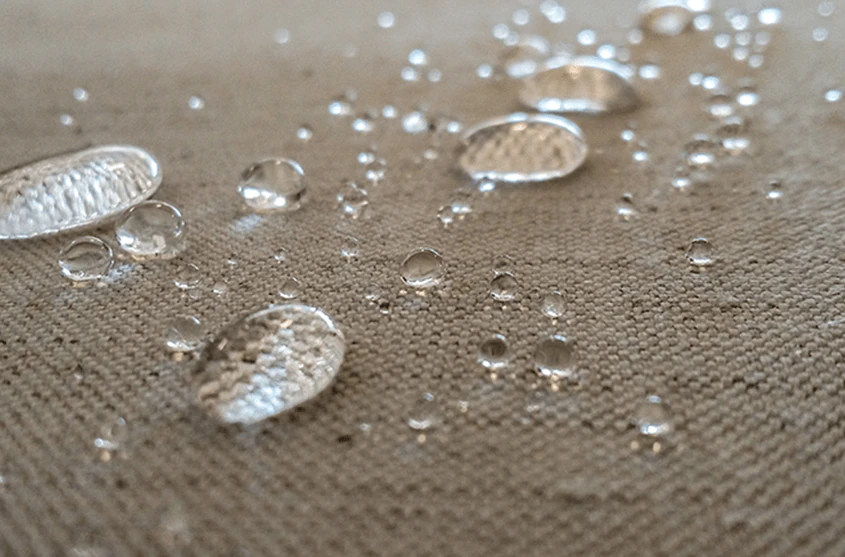
Carpets are a staple in many homes and offices, providing comfort, insulation, and aesthetic appeal. However, maintaining their cleanliness is crucial for both appearance and health reasons. One common concern among homeowners and business owners alike is the drying time after a carpet cleaning session. Understanding the factors that influence drying time can help you plan better and ensure your carpets are ready for use as soon as possible. This article delves into the various aspects that affect carpet drying time and offers practical tips to expedite the process.
Types of Carpet Cleaning Methods
Before discussing drying times, it’s essential to understand the different carpet cleaning methods available. Each method has its own drying time, influenced by the amount of water used and the cleaning technique employed.
- Hot Water Extraction (Steam Cleaning)
This is one of the most popular and effective carpet cleaning methods. It involves spraying hot water mixed with cleaning agents onto the carpet and then extracting the water along with dirt and debris using a powerful vacuum. Typically, carpets cleaned using hot water extraction take between 6 to 12 hours to dry. However, in some cases, it can take up to 24 hours, depending on various factors.
- Dry Carpet Cleaning
This method uses minimal water and involves applying a dry cleaning compound or powder to the carpet, which is then agitated and vacuumed up along with dirt and debris. Since very little water is used, carpets cleaned using this method can be dry almost immediately or within 1 to 2 hours.
- Bonnet Cleaning
This method involves using a rotating bonnet or buffer machine soaked in a cleaning solution to scrub the carpet surface. It is often used for commercial settings and provides a quick surface clean. Bonnet cleaning typically requires 2 to 4 hours for the carpet to dry.
- Shampooing
This traditional method involves applying a foamy shampoo to the carpet, which is then scrubbed in with a brush machine. The foam encapsulates dirt, which is then vacuumed away after drying. Carpets cleaned using shampooing can take 6 to 10 hours to dry.
- Encapsulation
This modern method uses synthetic detergents that crystallize into powder form when dry. The dirt particles are encapsulated in the powder, which is then vacuumed away. Encapsulation cleaning typically requires 2 to 4 hours for the carpet to dry.
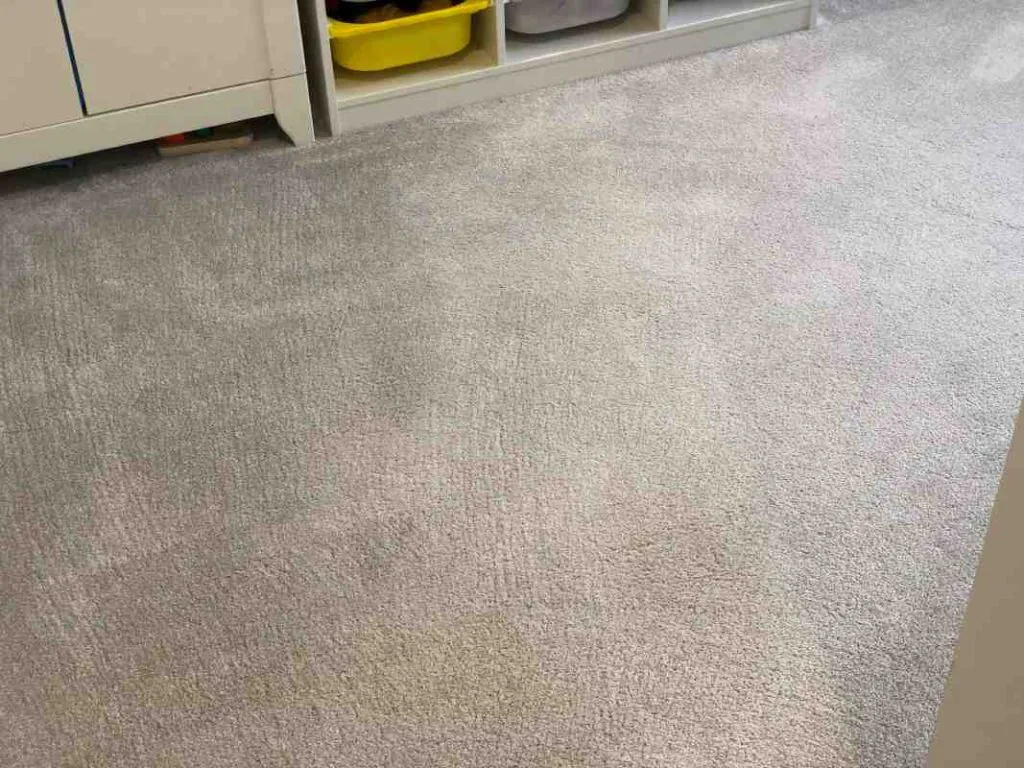
Factors Affecting Carpet Drying Time
Several factors influence how long it takes for a carpet to dry after cleaning. Understanding these factors can help you manage expectations and take steps to speed up the drying process.
- Carpet Material
- Natural Fibers: Carpets made from natural fibers like wool tend to retain more moisture and take longer to dry compared to synthetic fibers.
- Synthetic Fibers: Carpets made from synthetic materials like nylon, polyester, and olefin dry faster because they absorb less water.
- Carpet Thickness and Density
- Thicker Carpets: Carpets with a higher pile or thicker padding will take longer to dry as they hold more moisture.
- Dense Carpets: Carpets with a dense weave also retain more water, extending the drying time.
- Humidity and Temperature
- High Humidity: In areas with high humidity, carpets will take longer to dry because the moisture in the air slows down the evaporation process.
- Temperature: Warmer temperatures can speed up the drying process, while cooler temperatures can slow it down.
- Air Circulation
- Ventilation: Good air circulation helps to expedite the drying process. Opening windows and doors or using fans can significantly reduce drying time.
- HVAC Systems: Running the heating, ventilation, and air conditioning (HVAC) system can also help improve air circulation and speed up drying.
- Cleaning Equipment
- Professional Equipment: High-quality, professional-grade cleaning equipment typically extracts more water from the carpet, resulting in shorter drying times.
- Consumer-Grade Equipment: Rental or consumer-grade equipment may not be as effective at water extraction, leading to longer drying times.
- Cleaning Technique
- Amount of Water Used: The more water used during the cleaning process, the longer it will take for the carpet to dry.
- Extraction Efficiency: The efficiency of the water extraction process also plays a crucial role. More efficient extraction means less water left in the carpet, leading to faster drying times.
Tips to Speed Up Carpet Drying Time
While some factors affecting carpet drying time are beyond your control, there are several steps you can take to expedite the process.
- Use Fans and Dehumidifiers
- Fans: Place fans around the room to increase air circulation. Ceiling fans, box fans, and oscillating fans can all help move air across the carpet surface, speeding up evaporation.
- Dehumidifiers: Using a dehumidifier can help reduce the humidity level in the room, allowing the carpet to dry faster.
- Open Windows and Doors
If weather permits, open windows and doors to allow fresh air to circulate through the room. This can help carry away moisture-laden air and replace it with drier air.
- Adjust Indoor Temperature
- Heating: Increasing the indoor temperature can help speed up the drying process. However, avoid setting the temperature too high, as this can cause the carpet to shrink or become damaged.
- Air Conditioning: Running the air conditioner can help reduce humidity levels and promote faster drying.
- Use Professional Cleaning Services
- Expertise: Professional carpet cleaners have access to high-quality equipment and have the expertise to use the right amount of water and cleaning agents, ensuring more efficient water extraction and faster drying times.
- Advanced Equipment: Professional-grade equipment is typically more effective at extracting water, leaving your carpets drier than consumer-grade machines.
- Limit Foot Traffic
Try to limit foot traffic on the freshly cleaned carpet until it is completely dry. Walking on a wet carpet can push moisture deeper into the fibers and padding, prolonging the drying time.
- Use Absorbent Towels
After the cleaning process, you can use clean, dry towels to blot the carpet and absorb excess moisture. Press the towels firmly onto the carpet to soak up as much water as possible.
Potential Issues with Prolonged Drying Times
While waiting for your carpet to dry, it’s essential to be aware of potential issues that can arise from prolonged drying times.
- Mold and Mildew Growth
- Moisture: Carpets that remain damp for extended periods are at risk of developing mold and mildew. These fungi thrive in moist environments and can cause health issues, including allergies and respiratory problems.
- Prevention: To prevent mold and mildew growth, ensure proper ventilation and use dehumidifiers to reduce humidity levels.
- Unpleasant Odors
- Dampness: Prolonged dampness can lead to musty odors in the carpet. These odors can be challenging to remove and may require additional cleaning.
- Odor Control: Using fans, dehumidifiers, and proper ventilation can help prevent unpleasant odors from developing.
- Carpet Damage
- Shrinkage: Some carpet materials, particularly natural fibers like wool, can shrink if they remain wet for too long.
- Discoloration: Prolonged exposure to moisture can also cause discoloration or water stains on the carpet.
The drying time for carpets after cleaning can vary widely depending on several factors, including the cleaning method used, carpet material, humidity levels, and air circulation. While hot water extraction (steam cleaning) typically takes the longest to dry, methods like dry carpet cleaning and encapsulation offer much shorter drying times.
By understanding the factors that influence drying time and taking proactive steps to improve air circulation, reduce humidity, and limit foot traffic, you can help ensure your carpets dry as quickly as possible. Additionally, using professional cleaning services can provide more efficient water extraction and faster drying times, reducing the risk of potential issues like mold growth, unpleasant odors, and carpet damage.
Ultimately, proper planning and attention to detail can help you maintain clean, dry carpets that enhance the comfort and appearance of your home or office.